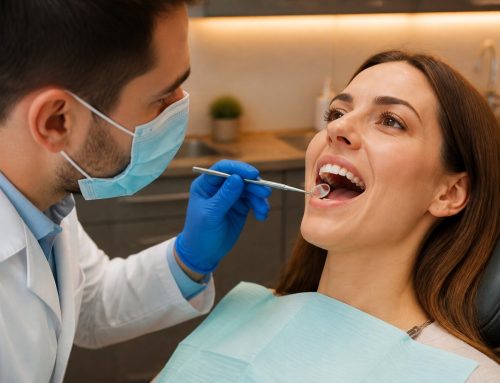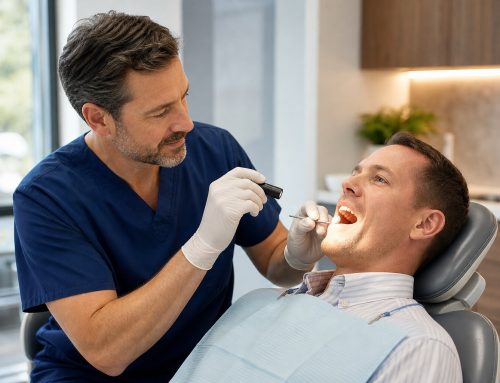

A small chip, a worn edge, or a gap between teeth can make you think twice before smiling. Dental bonding is a conservative cosmetic treatment that can often refresh the appearance of a tooth in a single visit. At South Tulsa Dental, our team takes time to understand what you would like to change, examine your oral health, and create a result that looks natural alongside your surrounding teeth. If you are considering dental bonding in Tulsa, here is what to know before your visit.
What Is Dental Bonding?
Dental bonding uses a tooth-colored composite resin to improve the shape, color, or surface of a tooth. The material is carefully matched to your smile, placed in small increments, shaped, and hardened with a curing light. Dr. Tricinella then refines and polishes it so it blends smoothly with the tooth.
Because the resin is applied directly to the tooth, bonding commonly requires little to no removal of healthy enamel. That makes it a useful option for modest cosmetic changes. The best choice always depends on the size and location of the concern, your bite, and your goals. During a consultation, we can also explain how bonding fits into our broader cosmetic dentistry options.
What Can Dental Bonding Help Improve?
Bonding is versatile, but it is not a one-size-fits-all answer. It may be recommended to repair a minor chip or crack, soften a rough edge, close a small space between teeth, or improve the appearance of a tooth that looks shorter, uneven, or slightly discolored. It can also be used to reshape a tooth after wear or to make a small filling less noticeable in an appropriate area.
For many patients, the appeal is subtlety. Rather than changing the entire smile, bonding can focus on one or two details that draw attention. Our team evaluates the shade, proportions, and contour of nearby teeth so the restoration supports a balanced, believable result. If you are exploring several appearance goals at once, our guide to a smile makeover in Tulsa can help you understand how treatments may be planned together.
What Happens During a Bonding Appointment?
Your visit begins with a conversation about the change you have in mind and an examination of the tooth. We may take photos or discuss shade options so you can feel comfortable with the plan. If bonding is the right approach, the tooth surface is prepared gently to help the resin adhere. Anesthetic is often unnecessary for a straightforward cosmetic case, though we will make sure you are comfortable and can discuss your preferences.
Next, Dr. Tricinella applies the composite resin, shapes it with precision, and uses a special light to set it. The final steps include smoothing and polishing the surface. Small cases can often be completed in one appointment; more extensive work may need additional planning. We will review what to expect in advance, including whether a different restoration would better support the tooth.
Bonding, Veneers, and Whitening: How Do They Differ?
Each cosmetic treatment solves a different problem. Bonding is often a practical choice for limited repairs and small shape changes. Porcelain veneers cover the front of a tooth and can be considered when a patient wants a more comprehensive, durable change to color, shape, or symmetry. You can compare the considerations in our article on veneers and their cost in Tulsa.
Teeth whitening changes the shade of natural enamel but does not repair chips, close spaces, or alter tooth shape. In some cases, we may recommend whitening before bonding so we can match the resin to your preferred final tooth color. Read about the differences between veneers and teeth whitening, and remember that composite resin does not whiten after it has been placed. Planning the sequence carefully can help keep your smile looking consistent.
How Long Does Dental Bonding Last?
With good care, dental bonding can last for several years. Its longevity varies with the location of the bonding, the size of the repair, your bite, and daily habits. Resin is strong, but it is not as stain-resistant or wear-resistant as porcelain. Biting hard objects, chewing ice, using teeth to open packages, or nail biting can increase the chance of chips or wear.
Regular preventive visits give us a chance to check bonded areas, smooth minor roughness, and identify changes early. If you clench or grind your teeth, let our team know. Protecting your teeth with a custom appliance when appropriate can reduce stress on restorations as well as natural enamel. Ongoing care is part of the comprehensive dental services we provide for patients and families in Tulsa.
How Should You Care for Bonded Teeth?
Care for bonded teeth much as you care for your natural teeth: brush twice a day with a nonabrasive toothpaste, floss daily, and keep routine dental appointments. Limit frequent exposure to staining beverages such as coffee, tea, and red wine when possible, especially in the first couple of days after treatment. If you do enjoy them, rinsing with water afterward can be helpful.
Avoid biting directly into very hard foods with a bonded front tooth, and do not use your teeth as tools. Contact us if you notice a sharp edge, a change in your bite, or a chip. In many cases, a small repair can be made efficiently. We will give you personalized instructions based on where the bonding is placed and how you use your teeth.
Is Dental Bonding Right for You?
The right candidate has healthy teeth and gums and a specific, realistic cosmetic goal. Bonding may not be the best choice for a tooth with extensive damage, a large cavity, significant bite pressure, or severe discoloration. Those concerns may call for a different treatment, such as a crown, veneer, or restorative care. We never want to recommend a cosmetic solution before ensuring the underlying tooth is healthy.
At South Tulsa Dental, we will discuss the benefits, limitations, expected maintenance, and alternatives in clear terms. Our goal is not a generic smile; it is a treatment plan that feels right for you and functions comfortably day after day.
Questions to Ask at Your Consultation
Coming prepared with a few questions can make the decision easier. Ask which tooth changes can realistically be accomplished with bonding, how the shade will be selected, and how the material may look beside existing fillings or crowns. It is also useful to ask whether your bite puts extra force on the area and what you can do to protect the result. Our team can outline expected maintenance and explain what a repair would involve if the bonding ever chips or stains.
You may also want to discuss timing if you are considering whitening, orthodontic treatment, or other cosmetic care. We will help you prioritize oral health first and create a plan that fits your schedule and goals. A careful consultation gives you the information to choose confidently—not pressure to choose quickly.
Schedule a Dental Bonding Consultation in Tulsa
Whether you have a recent chip or have been thinking about a small cosmetic improvement for years, we would be glad to help you explore your options. Dr. Tricinella and our team will listen to your goals and recommend a thoughtful path forward. Book an appointment with South Tulsa Dental to discuss dental bonding in Tulsa and take the next step toward a smile you feel good sharing.