
Most people think about cavities and gum health when they schedule a dental visit. An oral cancer screening is another important part of protecting your overall health. At South Tulsa Dental, our team includes this quick, gentle evaluation as part of a comprehensive approach to care. It is a simple opportunity to look for changes in the mouth, throat, and surrounding tissues that may need attention.
Oral cancer can affect people of many ages and backgrounds. While certain habits and health histories can raise risk, a screening is valuable even when you feel well and have no obvious symptoms. For patients in South Tulsa and throughout the Tulsa, OK area, regular visits provide a reliable time to keep both your smile and oral tissues on track.
What is an oral cancer screening?
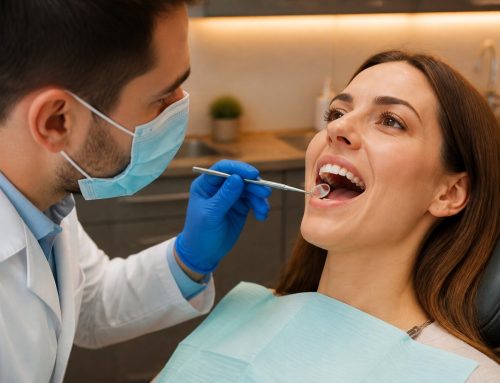
An oral cancer screening is a visual and physical examination of the lips, cheeks, gums, tongue, floor and roof of the mouth, jaw, and areas around the throat. Dr. Christopher Tricinella and our team look for unusual changes in color, texture, or shape. We may gently feel the jaw and neck for swelling or tenderness and ask whether you have noticed symptoms such as a sore that has not healed, persistent hoarseness, trouble swallowing, or an unexplained lump.
The screening itself is brief and noninvasive. It is often completed during a routine preventive visit, along with an exam and professional teeth cleaning in Tulsa. A screening does not diagnose cancer; rather, it helps identify findings that deserve closer evaluation. If we see something concerning, we will explain what we found and guide you toward an appropriate next step, which may include monitoring, a specialist consultation, or additional testing.
Why early detection matters
Like many health conditions, oral cancer is generally easier to address when it is found early. Small changes can be painless, easy to overlook, or hidden in places that are difficult to see at home. That is why waiting until something hurts is not the best strategy. A professional exam gives you a trained set of eyes and a chance to discuss even subtle changes.
Regular dental care is about more than maintaining clean teeth. It gives our South Tulsa team a consistent record of your oral health over time. When we see you routinely, we are better able to recognize what is normal for you and what may be new. If you are due for a preventive visit, you can schedule an appointment with South Tulsa Dental online.
Signs that should not wait
Many mouth sores and irritations have harmless causes, but a change that persists for two weeks should be evaluated. Contact our office sooner if you notice a red or white patch, a sore that will not heal, unusual bleeding, numbness, pain that does not improve, a lump or thickened area, difficulty chewing or swallowing, a persistent sore throat, or a change in your voice. A denture that suddenly fits differently or unexplained jaw swelling can also be worth discussing.
These signs do not automatically mean oral cancer. Infections, biting the cheek, irritation from a sharp tooth, and other conditions can produce similar symptoms. Still, prompt evaluation brings clarity and peace of mind. If you have swelling, severe pain, trauma, or another urgent concern, please review our emergency dental services and call for guidance.
Who can benefit from screening?
Every adult can benefit from periodic oral cancer screening. Risk increases with tobacco use, heavy alcohol use, prolonged sun exposure to the lips, a history of certain HPV strains, and prior oral cancer. However, people without these risk factors can also develop oral cancer. Age, family health history, and immune health may matter as well.
We encourage patients to be open about their medical history and any lifestyle changes. This information allows Dr. Tricinella to tailor your preventive care thoughtfully and without judgment. Families can make oral health a priority together through our pediatric and family dentistry services. While screening needs differ by age, building consistent dental habits early makes it easier to stay current with care over the years.
What happens during your visit?
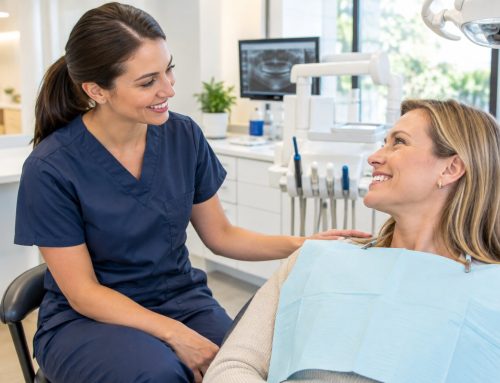
Your appointment begins with a conversation about your health and any symptoms you may have noticed. During the exam, we inspect the visible tissues of the mouth and use gentle touch to check for irregularities. We may ask you to move your tongue or open wide so we can see all areas clearly. Most patients find this portion of the visit takes only a few minutes.
Depending on your needs, your exam may also include dental X-rays or other diagnostic tools to evaluate your teeth and supporting structures. X-rays are not used to diagnose every soft-tissue concern, but they are a valuable part of comprehensive dental planning when clinically appropriate. Our goal is always to recommend care that is useful, understandable, and suited to you.
If we identify an area to watch, we will explain the finding in plain language. Sometimes a follow-up visit after a short healing period is appropriate. In other situations, referral to a physician, oral surgeon, or ear, nose, and throat specialist may be recommended. You will never be left guessing about why a next step is being suggested.
Simple habits that support oral health
Screenings are important, and daily prevention matters too. Brush twice a day with fluoride toothpaste, clean between your teeth daily, and keep routine checkups on your calendar. Avoid tobacco products, moderate alcohol use, and use lip balm with SPF when spending time outdoors. A balanced diet and good hydration can also support a healthy mouth.
If a broken tooth, rough restoration, or poorly fitting appliance is causing repeated irritation, let us know. Our team can assess whether treatment such as a restoration or a dental crown or bridge could restore comfort and function. For patients who are anxious about examinations or treatment, our sedation dentistry options may help make care feel more manageable.
How often should you be screened?
For many patients, screening at routine dental checkups is a practical schedule. Your personal recommendation may vary based on your health history, symptoms, and risk factors. If you use tobacco, have had unusual findings before, or notice a new change between visits, do not wait for your next cleaning to call.
New to our practice? Completing new patient forms before your visit can help us learn about your health history and make your time in the office smoother. We welcome questions and want you to feel informed at every stage of care.
A proactive step for South Tulsa smiles
An oral cancer screening is fast, painless, and meaningful. It is one more way a routine dental appointment can support your well-being beyond your teeth. Whether it has been six months or several years since your last visit, our caring team is here to help you move forward with confidence.
South Tulsa Dental proudly serves patients from South Tulsa and nearby Tulsa, OK communities. To arrange a comprehensive exam, preventive cleaning, or evaluation of a symptom that concerns you, book your appointment today. Dr. Tricinella and our team look forward to caring for your smile and your health.
Questions are always welcome
It is normal to have questions about a screening, especially if you have noticed a change in your mouth. Bring up anything that feels different, even if it seems minor. A clear conversation helps us understand your concern, review your history, and recommend a practical path forward. Our office believes informed patients make confident decisions, and we will take time to explain what we see.
Keeping preventive visits regular is one of the simplest ways to make oral health feel less stressful. If it has been a while since your last exam, there is no need to feel embarrassed. We are here to meet you where you are, provide compassionate care, and help you make a plan that fits your needs.
Between visits, take a moment during your regular brushing routine to notice whether anything in your mouth looks or feels different. You do not need to diagnose the change yourself; simply make a note and contact our team if it does not resolve. This small habit, paired with professional preventive care, helps keep questions from becoming worries.
Frequently Asked Questions
Is an oral cancer screening painful?
No. The screening is gentle and typically takes only a few minutes. It involves looking at and lightly feeling areas of the mouth, jaw, and neck.
Can my dentist tell if I have oral cancer?
A dental screening can identify changes that need further evaluation, but a diagnosis requires appropriate medical testing. If we find a concern, we will explain recommended next steps and referrals.
Should I have a screening if I do not smoke?
Yes. Tobacco use is a risk factor, but oral cancer can occur in people who do not use tobacco. Routine screenings are a sensible part of comprehensive preventive care.
When should I call South Tulsa Dental?
Please call if you have a mouth sore, lump, red or white patch, unexplained numbness, swallowing difficulty, or hoarseness that lasts more than two weeks—or sooner if you are worried.