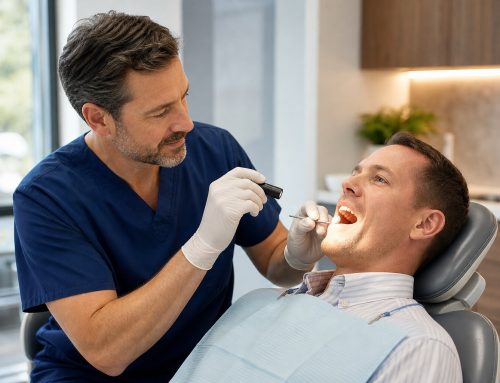

What Is a Root Canal and When Do You Need One?
A root canal is a dental procedure that saves a tooth when the soft tissue inside it (the pulp) becomes infected or severely inflamed. The pulp contains nerves, blood vessels, and connective tissue that helped your tooth develop, but once a tooth is fully mature, it can survive without the pulp.
At South Tulsa Dental, Dr. Chris Tricinella performs root canals with precision and a focus on patient comfort. The goal is always to save your natural tooth rather than extract it, and modern root canal treatment makes that possible with far less discomfort than most patients expect.
Common Signs You May Need a Root Canal
Not every toothache means you need a root canal, but certain symptoms are strong indicators that the pulp inside your tooth may be compromised:
- Severe or persistent tooth pain, especially when chewing or applying pressure
- Prolonged sensitivity to hot or cold that lingers after the source is removed
- Darkening or discoloration of a tooth
- Swelling or tenderness in the nearby gums
- A recurring pimple (abscess) on the gums near the affected tooth
If you are experiencing any of these symptoms, it is important to see a dentist promptly. Early treatment can prevent the infection from spreading and may save you from a more complex procedure later.
The Root Canal Procedure: Step by Step
Understanding what happens during a root canal can help ease any anxiety about the procedure. Here is what to expect at South Tulsa Dental:
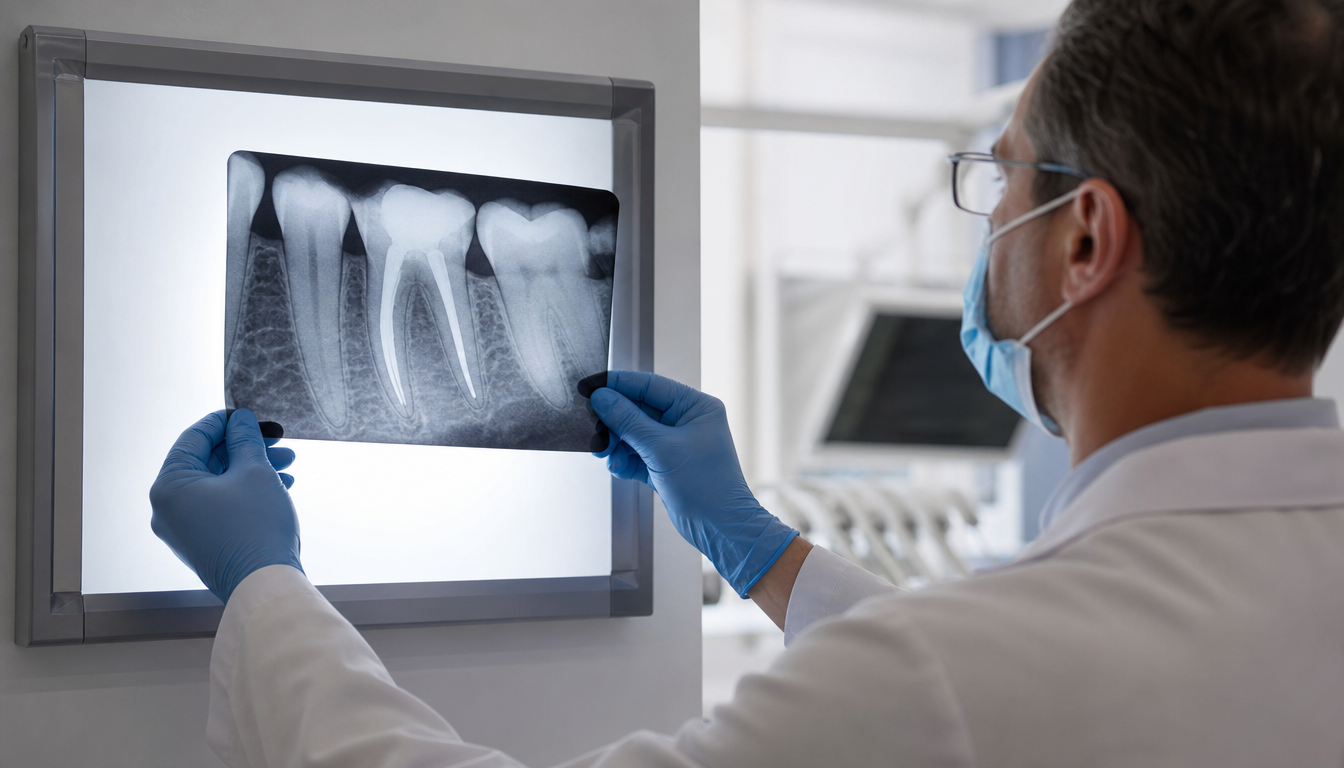
Diagnosis and X-rays: Dr. Tricinella begins with digital X-rays to evaluate the extent of infection and map the root canals inside your tooth. This imaging guides the entire procedure.
Local anesthesia: The area around the tooth is thoroughly numbed. For patients with dental anxiety, sedation options are available to help you relax during treatment.
Accessing the pulp: A small opening is made in the crown of the tooth to access the pulp chamber and root canals.
Cleaning and shaping: The infected or damaged pulp is carefully removed, and the canals are cleaned, disinfected, and shaped to prepare for filling.
Filling the canals: The cleaned canals are filled with a biocompatible material called gutta-percha, and the access opening is sealed with a temporary or permanent filling.
Restoration: In most cases, a tooth that has had a root canal will need a dental crown to restore its full strength and function. Dr. Tricinella will discuss the best restoration option for your specific tooth.
How Much Does a Root Canal Cost in Tulsa?
The cost of a root canal in Tulsa varies depending on which tooth is affected and the complexity of the case. Here are typical price ranges:
- Front teeth (incisors and canines): $700 to $1,200
- Premolars: $800 to $1,400
- Molars: $1,000 to $1,800
These estimates do not include the cost of a crown, which is typically placed after the root canal is complete. Most dental insurance plans cover a significant portion of root canal treatment as a necessary restorative procedure.
At South Tulsa Dental, we provide a clear cost estimate before treatment begins and work with your insurance provider to maximize your benefits. We also offer flexible payment options so that cost never stands between you and the care you need.
Recovery: What to Expect After a Root Canal
Most patients are surprised by how manageable recovery is after a root canal. Here is what you can typically expect:
First 24 to 48 hours: Mild soreness or sensitivity in the area is normal and usually responds well to over-the-counter pain medication like ibuprofen. The numbness from anesthesia wears off within a few hours.
Eating and drinking: Avoid chewing on the treated side until your permanent restoration (crown) is placed. Stick to softer foods for the first day or two.
Follow-up: You will return to South Tulsa Dental for your crown placement, usually within a few weeks. Until then, the temporary filling protects the tooth.
Most patients return to normal activities, including work, the same day or the day after their root canal. Severe pain after the procedure is uncommon, but if it occurs, contact our office immediately.
Root Canal vs. Tooth Extraction: Why Saving the Tooth Matters
Some patients wonder whether it would be simpler to just pull the tooth. While extraction is sometimes necessary, saving your natural tooth has significant advantages:
- Maintains your natural bite alignment and prevents neighboring teeth from shifting
- Preserves the jawbone that supports the tooth
- Costs less in the long run than extraction followed by an implant or bridge
- Keeps your natural appearance and chewing function intact
Dr. Tricinella always recommends the most conservative treatment that will achieve a lasting result. When a tooth can be saved with a root canal, that is almost always the better option.
Schedule Your Appointment at South Tulsa Dental
If you are experiencing tooth pain or have been told you may need a root canal, South Tulsa Dental is here to help. Dr. Chris Tricinella and our team provide gentle, expert root canal treatment in a comfortable environment at 6134 E 61st St in Tulsa.
Call us at (918) 628-0834 or book an appointment online to get started.