
A tooth that suddenly looks a little gray, or one that ached for weeks and then went strangely quiet, can leave you wondering whether you have a dead tooth. The phrase sounds alarming, but a “dead” tooth is often a tooth that can still be saved, especially when it is checked early.
Dr. Tricinella and our team at South Tulsa Dental put this guide together to explain what a dead tooth is, the signs to watch for, why a tooth changes color, and how dentists treat it, plus what to do while you wait for an appointment.
What Is a Dead Tooth?
Every tooth has a soft center called the pulp. It holds the nerves, blood vessels, and connective tissue that keep the tooth alive. According to Delta Dental’s guide to dead teeth, a tooth “dies” when that tissue is damaged and the tooth loses its blood supply. Dentists call this pulp necrosis, and you may also hear the term “non-vital tooth.”
The outer layers of the tooth, the enamel and the dentin underneath it, are still there and can often keep doing their job. The American Association of Endodontists (AAE) explains that once a tooth is fully mature, it can survive without its pulp because the tissues around the root continue to nourish it. That is why Delta Dental points out that “dead tooth” is not always an accurate description: even though the pulp has died, the tooth itself can usually be saved with a root canal.
What you should not do is ignore it. Dead pulp tissue gives bacteria a place to grow, and an infection that starts inside a tooth can spread to the bone and gums around it.
What Causes a Tooth to Die?
The Cleveland Clinic’s overview of pulp necrosis names a cavity as the most common cause. When decay is not caught and repaired, it can tunnel through the enamel and dentin and let bacteria into the pulp. Other causes include:
- An injury. A fall, a car accident, or a ball to the face can damage the blood vessels inside a tooth. The AAE notes that a knock can injure the pulp even when the tooth shows no visible chip or crack.
- A cracked tooth. A crack can give bacteria a direct route to the pulp. Our article on repairing a broken or chipped tooth covers what to do when a tooth breaks.
- Repeated dental work on the same tooth. Cleveland Clinic lists multiple or unsuccessful procedures as a risk factor, and Delta Dental adds that a very large filling can eventually lead to pulp death even if decay never reached the nerve.
- Worn enamel. Aggressive brushing and teeth grinding can wear enamel thin, which makes it easier for bacteria to get inside.
A tooth does not always die right away. Healthline’s dentist-reviewed article on dead teeth notes that it can happen in a matter of days or slowly over several months or even years. So a tooth injured long ago can start to change color well after the accident.
How a Tooth Goes From Irritated to Dead
When decay or damage reaches the pulp, the tissue becomes inflamed. This is called pulpitis, and Cleveland Clinic describes it in three stages:
- Reversible pulpitis. The pulp is irritated but can recover if the tooth is repaired and sealed. You may feel a short, sharp twinge with cold or sweets that fades quickly.
- Irreversible pulpitis. The inflammation has gone too far for the pulp to heal. Pain from heat, cold, or sweets tends to linger for 30 seconds or more, and it can feel like a dull ache, a throb, or a sharp pain.
- Pulp necrosis. The pulp has died. At this stage, you may stop feeling hot and cold in that tooth at all, though it may still hurt when it is tapped or when you bite down.
The jump from the second stage to the third explains a confusing pattern: a tooth hurts badly for a while, then the pain fades, and it seems the problem went away. Sometimes the nerve has simply stopped responding. If you have had a recent filling and are trying to sort out normal sensitivity from something more serious, our guide to tooth sensitivity after a filling walks through the differences.
Signs of a Dead Tooth
A dead tooth does not always announce itself. Delta Dental notes that it may be painful or cause no symptoms at all, which is why some are found on routine X-rays. When there are signs, these are the most common:
- A change in color. The tooth looks darker than its neighbors. We cover the specific colors in the next section.
- Pain that ranges from none to severe. Some people feel nothing, while others have a dull ache or intense pain. Medical News Today explains that once the nerve is gone, pain usually comes from pressure on the very sensitive tissue that surrounds the outside of the root, as bacteria and debris build up inside the tooth.
- Tenderness when you bite or tap the tooth.
- Bad breath or a bad taste that brushing does not fix.
- Swelling around the gumline or a small pimple on the gum near the tooth, which can be a sign of an infection draining from the root.
These signs are a reason to have the tooth checked, not a diagnosis, since tooth pain has many causes. Our article on what causes a toothache covers other common culprits.
What Does a Dead Tooth Look Like?
Color is often the first clue. A healthy smile can be a little yellow from coffee or age, but that kind of staining is usually even across all of your teeth. Healthline points out that a dying tooth stands out because it is a different color from the teeth around it, almost as if it were bruised, and the color tends to deepen over time.
The shade can hint at what happened:
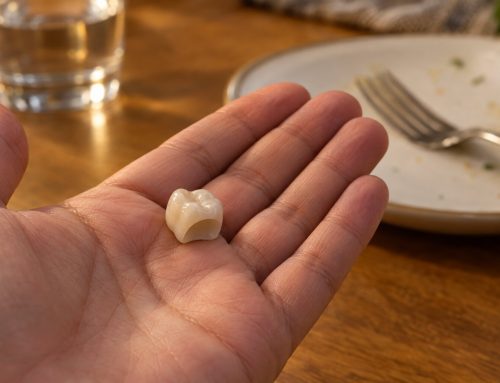
- After an injury, Delta Dental says damaged blood vessels can first turn a tooth pinkish, then eventually grayish black.
- From decay, the tooth may look yellow, gray, light brown, or black and keep darkening as the decay continues.
- A gray tooth in particular can mean the nerve has died, according to the Cleveland Clinic’s guide to tooth discoloration, and dental trauma is a common cause.
Not every dark tooth is a dead tooth, though. Old silver fillings can make a tooth look grayish, some medications stain teeth from the inside, and a tooth that has already had a root canal can darken over time. An exam is the only way to know.
Bruised Tooth vs. Dead Tooth: Why Color Alone Is Not Proof
If a tooth turns pink or gray a few days after an injury, it is natural to assume the worst. The picture is not always that simple. A review of internal tooth whitening published in StatPearls explains that when blood from an injured pulp seeps into the tooth, it can cause a temporary pink color. Some injured teeth settle down and recover.
The AAE’s 2026 guidelines for treating dental injuries say that discoloration, or a tooth that does not respond to testing right after an injury, is not enough on its own to diagnose a dead pulp. A tooth that does not respond at first may have temporary damage that heals gradually. A fully developed tooth that still does not respond about three months after the injury, however, is a strong sign that the pulp has died. That is why dentists usually schedule follow-up visits with tests and X-rays after a tooth is knocked, instead of rushing into treatment on day one.
So if your tooth was recently hit, the best move is to get it examined promptly and keep the follow-up appointments, even if it feels fine.
How Dentists Check Whether a Tooth Is Dead
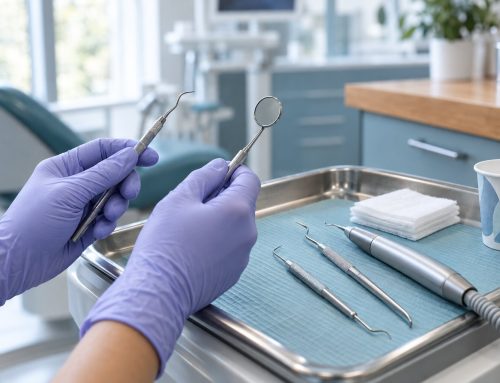
Because a dead tooth can look and feel different from person to person, diagnosis relies on a few simple tests. Cleveland Clinic describes the usual ones:
- Cold or heat testing. A cold or warm stimulus is placed on the tooth to see whether you feel it, and how long the feeling lasts.
- Electric pulp testing. A small instrument sends a mild electrical pulse to the tooth. A living pulp feels it, and a dead one does not.
- Gentle tapping to check for tenderness around the root.
- X-rays, which can show deep decay, cracks, and signs of infection at the tip of the root. Our post on dental X-rays explains how digital X-rays work and the steps our team takes to limit radiation.
Dr. Tricinella will look at the results together with your history, such as an old injury, a large filling, or pain that came and went, before talking with you about what they mean.
How Long Can a Dead Tooth Stay in Your Mouth?
This is one of the most searched questions about dead teeth, and the honest answer is that it is not worth finding out. Medical News Today notes that a dead tooth will eventually fall out on its own, but that waiting is risky because the tooth can become infected and affect the jaw and other teeth.
An infection at the root can form an abscess, a pocket of pus. The Mayo Clinic’s page on tooth abscesses warns that an abscess will not go away without treatment. If it ruptures, the pain may ease a lot, which can make it seem like the problem is gone when it is not. Cleveland Clinic adds that an untreated infection can spread to the jaw, neck, and chest. Those complications can be serious, although modern treatment has greatly improved the outlook.
Some people have had a dark tooth for years without pain. It is still worth having it looked at, because a quiet tooth can have an infection at the root, and the AAE notes that waiting too long often ends in losing the tooth.
Treatment Options for a Dead Tooth
Once the pulp has died, it needs to be removed so infection cannot spread. Cleveland Clinic describes two main paths: saving the tooth with a root canal, or removing it.
Root canal treatment
A root canal removes the dead or infected pulp, cleans and disinfects the inside of the tooth, and fills and seals the canals. General dentists and endodontists, who are root canal specialists, both perform the procedure. According to the American Dental Association’s MouthHealthy site, a root canal usually takes one or two visits, the tooth is numbed first so there is little to no pain during treatment, and the tooth may feel sensitive for a few days afterward. The AAE reports that more than 15 million teeth are treated and saved this way each year. Our article on what to expect from a root canal goes through the steps in more detail.
A crown to protect the tooth
Delta Dental notes that a dead tooth can become brittle, so dentists often recommend a crown after a root canal to strengthen and support it. Healthline adds that crowns are usually recommended for back teeth, which take the most chewing force. At South Tulsa Dental, we offer one-visit ceramic crowns as well as gold crowns that take two visits. You can read about both on our crowns and bridges page.
Removing and replacing the tooth
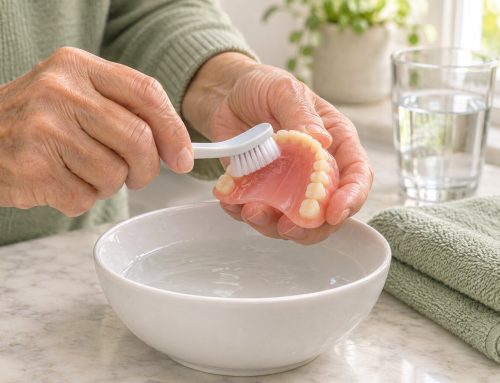
Most teeth can be treated, but the AAE notes that some cannot be saved, for example when the root is badly fractured or there is not enough bone left to support it. In that case, the tooth is removed. Our post on tooth extraction explains the process and recovery. Cleveland Clinic and Delta Dental both recommend talking with your dentist about replacing the tooth with an implant, a bridge, or a denture, and the AAE notes that a missing tooth can let the teeth around it shift. Our article on dental bridges is a good place to start.
Antibiotics may be prescribed if an infection is spreading, but Cleveland Clinic is clear that they are not a primary treatment. They do not remove the dead tissue that keeps the infection going.
Fixing the Color of a Dark Front Tooth
Once a dead tooth has been treated, many people want to know whether the dark color will go away. There are a few ways dentists address it:
- Internal whitening. StatPearls describes this as a conservative option for a front tooth that has darkened after root canal treatment. A whitening agent is placed inside the tooth rather than on the surface. It tends to work best when the darkening came from an injury or a dead pulp, and it costs less than a veneer or crown. It is not right for every tooth, and your dentist will go over the small risks.
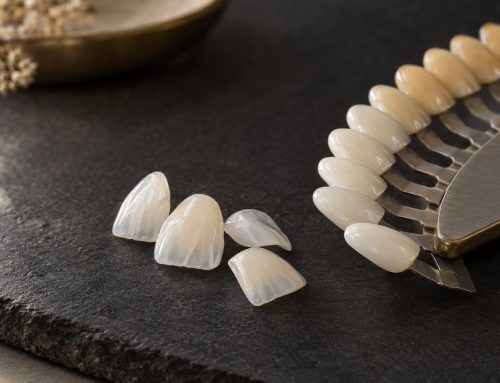
- A porcelain veneer. A thin, custom shell bonded to the front of the tooth can cover a dark tooth and match it to its neighbors. Our porcelain veneers page explains the process.
- A crown. If the tooth also needs strengthening, a tooth-colored crown can restore both color and protection.
Regular whitening works from the outside, and Cleveland Clinic notes that professional whitening works best on surface stains. It is a great way to brighten a whole smile, but a single tooth that darkened from the inside often needs one of the options above. Our post on teeth whitening in Tulsa covers which stains respond best, and our cosmetic dentistry page shows the other ways we help patients feel good about their smiles.
What to Do Until You Can Be Seen
If you think a tooth is dying, call us and let our team know what you are noticing. If the tooth is sore while you wait, Healthline suggests a few simple steps:
- Avoid very hot drinks, which can make the pain worse.
- Take an over-the-counter anti-inflammatory such as ibuprofen, if it is safe for you and you follow the label.
- Skip hard foods, since biting down on them can aggravate the tooth.
These steps only buy time. They do not treat the tooth. Patients with severe tooth pain are seen the same day at our office, and our emergency dental services page explains how to reach us quickly. Our guide to dental emergencies also covers what to do after an injury.
Some symptoms cannot wait for a dental appointment. Mayo Clinic advises going to the emergency room if you have a fever and swelling in your face and cannot reach your dentist, or if you have any trouble breathing or swallowing.
Lowering the Risk of a Dead Tooth
Not every injury can be prevented, but many dead teeth start with problems that can be caught early. Cleveland Clinic and Delta Dental recommend:
- Brushing twice a day with fluoride toothpaste and cleaning between your teeth daily
- Keeping up with regular checkups so small cavities are found and filled before they reach the pulp. Our cavity treatment guide explains how early decay is handled.
- Wearing a mouthguard for contact sports
- Wearing a night guard if you grind your teeth. Our post on teeth grinding and night guards explains the warning signs.
- Not chewing ice or using your teeth to open packages
- Telling your dentist about new pain or sensitivity right away, rather than waiting to see if it passes
Dead Tooth FAQs
Can a dead tooth heal on its own?
No. Once the pulp has died, the dead tissue needs to be removed with a root canal or by taking out the tooth. A tooth that was only bruised by an injury can sometimes recover, which is why dentists often recheck an injured tooth over several months.
Does a dead tooth always hurt?
No. Some dead teeth cause no pain at all and are found on routine X-rays. Others ache, throb, or feel tender when you bite. No pain does not mean the tooth is healthy, so a tooth that has changed color should still be checked.
Why does my dead tooth smell or taste bad?
Bacteria growing in the dead tissue, or an infection draining near the root, can cause bad breath and a bad taste in your mouth that brushing does not fix. Delta Dental lists both as signs of a dead tooth. Have it examined soon.
Can a dead tooth make you sick?
It can if an infection develops and is left untreated. Cleveland Clinic notes that the infection can spread to the jaw, neck, and chest, and Mayo Clinic advises an emergency room visit for fever with facial swelling, or for trouble breathing or swallowing. With prompt treatment, the outlook is good.
Will a dead tooth fall out on its own?
Eventually it may, but waiting is risky. In the meantime, the tooth can become infected and affect the bone and teeth around it. Early treatment gives you the best chance of keeping it.
Worried About a Dark or Painful Tooth? We Can Help
A dead tooth sounds frightening, but it is a common problem with well established treatments, and many of these teeth can be saved when they are checked early. If a tooth has changed color, hurts when you bite, or was injured and never felt quite right, Dr. Tricinella and our team will take a careful look, explain what we find in plain language, and walk you through your options.
You can find us at our office on East 61st Street, a block west of Sheridan. Browse our full list of dental services, book an appointment online, or fill out our new patient forms ahead of time. If dental visits make you anxious, ask about our sedation options. If the tooth is painful right now, call us at (918) 628-0834.