
Why a Toothache Should Never Be Ignored
A toothache is your body’s way of telling you something is wrong. Whether the pain is sharp and sudden or a dull, lingering throb, ignoring it almost always makes the underlying problem worse. What starts as minor discomfort can progress into a serious infection, abscess, or even tooth loss if left untreated.
At South Tulsa Dental, Dr. Christopher Tricinella and our team see patients every week who wish they had come in sooner. If you are searching for a toothache dentist in Tulsa who can diagnose the source of your pain quickly and offer effective treatment the same day, we are here to help. Our office at 6134 E 61st St is equipped with advanced diagnostic technology so we can pinpoint the cause and start relieving your pain right away.
Common Causes of Toothaches
Tooth pain can stem from a wide range of dental and medical issues. Understanding the potential cause helps you know when it is time to call a dentist versus when home care may be enough.
Tooth decay and cavities are the most frequent culprits. When bacteria eat through enamel and reach the softer dentin layer underneath, the nerve inside the tooth becomes exposed to temperature changes and pressure. A cavity that has reached the pulp — the innermost part of the tooth containing nerves and blood vessels — often causes intense, persistent pain.
Cracked or fractured teeth can produce sharp pain when you bite down. Cracks are not always visible to the naked eye, which is why digital imaging at our office is so valuable for diagnosis. If you have experienced a broken tooth, prompt treatment prevents the crack from spreading deeper.
Gum infection and abscess occur when bacteria invade the tissue around a tooth root. An abscess creates a pocket of pus that puts pressure on surrounding structures, causing throbbing pain that can radiate into the jaw, ear, or neck. Abscesses require professional treatment — they will not resolve on their own. Left untreated, the infection can spread to other parts of the body. If you notice swelling, fever, or a foul taste in your mouth along with tooth pain, seek care immediately through our emergency dental services.
Impacted or erupting wisdom teeth frequently cause pain in the back of the mouth, especially in young adults. Pressure from a tooth that cannot fully emerge pushes against neighboring teeth, leading to soreness, swelling, and sometimes infection. Our team evaluates whether wisdom teeth removal is the right course of action.
Worn enamel or exposed roots can make teeth sensitive to hot, cold, sweet, or acidic foods. Grinding your teeth at night, aggressive brushing, or gum recession can all contribute to this type of discomfort.
When to See a Toothache Dentist in Tulsa
Not every twinge of tooth sensitivity requires an emergency visit, but certain symptoms signal that you should contact a dentist as soon as possible:
- Pain lasting more than one to two days — persistent pain usually indicates a problem that will not improve without treatment.
- Severe or worsening pain — if over-the-counter pain relievers barely take the edge off, the issue may involve the tooth’s nerve.
- Fever or swelling — these are signs of infection that can escalate quickly.
- Pain when opening your mouth or chewing — this may indicate a crack, abscess, or jaw joint issue.
- A bad taste or discharge — pus draining from around a tooth points to an abscess.
- Trauma to the mouth — a blow to the face or a fall that affects your teeth warrants a same-day evaluation.
South Tulsa Dental reserves time in our schedule for patients experiencing urgent dental pain. When you call our office at (918) 628-0834, we will work to get you seen as quickly as possible.
How Dr. Tricinella Diagnoses Tooth Pain
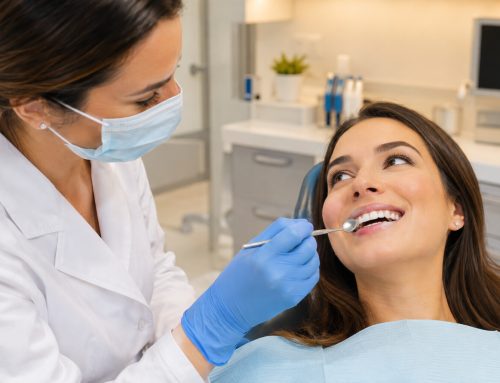
Accurate diagnosis is the foundation of effective treatment. When you visit our office with a toothache, Dr. Tricinella begins with a thorough examination that includes:
Visual inspection — checking for visible decay, cracks, swelling, or gum recession around the affected area.
Digital X-rays — our office uses low-radiation digital imaging to see what is happening beneath the surface. X-rays reveal cavities between teeth, infections at the root tip, bone loss, and cracks that are invisible during a visual exam. Learn more about what to expect from dental X-rays at our practice.
Percussion and bite testing — gently tapping on teeth and having you bite down on a small instrument helps isolate which tooth is causing pain and whether the issue involves the nerve or the surrounding structures.
Thermal testing — applying cold or heat to individual teeth can reveal whether the nerve inside is inflamed, dying, or already dead. Each response tells a different story about the health of the pulp.
Once the source is identified, Dr. Tricinella explains your options clearly and honestly before any treatment begins. Our goal is to help you make an informed decision about your care.
Treatment Options for Toothaches
The right treatment depends entirely on the cause and severity of your toothache. Here are the most common solutions our team provides:
Dental fillings — when a cavity is the source of pain, removing the decayed material and placing a dental filling restores the tooth’s structure and eliminates discomfort. We offer tooth-colored composite fillings that blend naturally with your smile.
Root canal therapy — if decay or infection has reached the pulp, a root canal removes the damaged nerve tissue, cleans the interior of the tooth, and seals it to prevent further infection. Despite its reputation, modern root canal treatment is comfortable and often no more involved than getting a filling.
Dental crowns — a tooth that is severely cracked, weakened by large decay, or treated with a root canal often needs a crown to restore its strength and function. Our office offers same-day crown technology so you can leave with a permanent restoration in a single visit.
Tooth extraction — when a tooth is too damaged to save, extraction may be the best option to eliminate pain and protect surrounding teeth. Dr. Tricinella discusses replacement options such as implants or bridges so you can plan your next steps.
Abscess drainage and antibiotics — an infected tooth may require drainage of the abscess followed by a course of antibiotics to clear the infection before definitive treatment such as a root canal or extraction.
Gum disease treatment — when gum infection is the root cause of your pain, scaling and root planing or other periodontal therapies can address the issue. Visit our guide on gum disease treatment in Tulsa to learn more about the signs and solutions.
Managing Toothache Pain at Home Before Your Visit
While home remedies are not a substitute for professional care, they can help manage discomfort until you reach our office:
- Over-the-counter pain relief — ibuprofen (Advil, Motrin) is particularly effective because it reduces both pain and inflammation. Follow the dosage instructions on the label.
- Cold compress — apply an ice pack wrapped in a cloth to the outside of your cheek for 15 to 20 minutes at a time. This helps reduce swelling and numbs the area.
- Saltwater rinse — dissolve half a teaspoon of salt in eight ounces of warm water and rinse gently. Saltwater is a natural disinfectant and can help reduce bacteria around an infected area.
- Avoid triggers — stay away from very hot, very cold, or sugary foods and drinks until you can be seen.
- Elevate your head — if pain worsens at night, prop your head up with an extra pillow. Blood pooling in the head can increase pressure and intensify throbbing.
These measures can provide temporary relief, but they cannot fix the underlying problem. The sooner you visit a toothache dentist in Tulsa, the sooner we can resolve the issue and get you out of pain for good.
Preventing Future Toothaches
The best toothache is one that never happens. Consistent preventive care dramatically reduces your risk of tooth pain:
- Brush twice daily with fluoride toothpaste and floss at least once a day to remove plaque before it hardens into tarite and causes decay.
- Schedule regular checkups — visiting South Tulsa Dental every six months for a routine dental checkup allows our team to catch small problems before they become painful ones.
- Wear a mouthguard — if you play sports or grind your teeth at night, a custom mouthguard protects against cracks and wear.
- Watch your diet — limit sugary snacks and acidic beverages that erode enamel over time.
- Do not use teeth as tools — opening packages, tearing tape, or cracking nuts with your teeth invites fractures.
Schedule Your Appointment Today
If you are dealing with a toothache in Tulsa, do not wait for the pain to get worse. Dr. Tricinella and the South Tulsa Dental team are ready to find the source of your discomfort and provide the treatment you need to feel better fast. We welcome patients of all ages and accept most dental insurance plans.
Call us at (918) 628-0834 or book your appointment online to get started. Our office is conveniently located at 6134 E 61st St, Tulsa, OK 74136 — and for urgent tooth pain, we do our best to see you the same day you call.