
Tooth enamel is the hardest substance in your body, harder even than bone. Yet once it wears away, your body cannot grow it back. Enamel erosion is what happens when acid slowly dissolves that protective outer layer. It tends to progress quietly, and the first signs are easy to miss, such as a twinge from a cold drink or front teeth that look slightly see-through at the edges.
Erosion usually moves slowly, though, and the habits that slow it down are simple. Dr. Tricinella and our team at South Tulsa Dental put this guide together so you know what to watch for, what to change, and when to have your enamel checked.
What Is Enamel Erosion?
Enamel is the shell that covers the visible part of each tooth and shields the softer dentin and the pulp inside. According to Cleveland Clinic’s guide to tooth enamel, about 95% of enamel is calcium and phosphorus, minerals that bond together into tiny, very strong crystals.
The American Dental Association’s overview of dental erosion defines it as the chemical loss of tooth mineral caused by acids that do not come from mouth bacteria. That acid usually comes from one of two places: what you eat and drink, and stomach acid that reaches your mouth through reflux or vomiting. Cleveland Clinic notes that tooth erosion, enamel erosion, and dental erosion all describe the same problem.
Erosion is common. Cleveland Clinic’s page on tooth erosion says it affects nearly 50% of baby teeth and up to 45% of permanent teeth. The ADA also cites an analysis of 2003 to 2004 U.S. national survey data that estimated erosive tooth wear in up to 80% of adults. Left untreated, Cleveland Clinic explains, erosion keeps wearing into the layers beneath the enamel, the dentin and eventually the pulp.
Enamel Erosion vs. Cavities and Other Kinds of Tooth Wear
Erosion is easy to confuse with other problems, so it helps to know what it is not.
- Cavities. Tooth decay starts when dental plaque stays on the teeth too long and its bacteria feed on sugar and release acid. Erosion comes from acid that has nothing to do with bacteria, such as soda, juice, or stomach acid. The two are linked, though. Cleveland Clinic notes that thin enamel makes teeth more vulnerable to cavities.
- White spots. White flecks on teeth have their own causes, including early cavities and too much fluoride during childhood. Our article on white spots on teeth covers them in detail.
- Attrition. Wear from teeth rubbing against teeth when you chew, and often from grinding or clenching.
- Abrasion. Wear from something other than teeth, such as overly vigorous toothbrushing or holding objects like hair pins between the teeth.
- Abfraction. Tooth structure lost to biting forces, thought to come from the tooth flexing under load until the enamel or dentin fatigues.
The definitions of attrition, abrasion, and abfraction come from a review in the West Indian Medical Journal, Dental Erosion and Medical Conditions. In real mouths these types of wear often work together. Better Health Channel’s dental erosion page, from the health department of the Australian state of Victoria, explains that acid softens the tooth surface, which makes it easier for brushing or grinding to wear it away. That combination is called acid wear or erosive tooth wear, and it is one reason a dentist asks about your health and habits as well as looking at your teeth.
Signs of Enamel Erosion
Early erosion often has no obvious symptoms, which the ADA notes can make early diagnosis hard. As enamel thins, these changes become more likely:
- Sensitivity. A twinge of pain with hot, cold, or sweet foods and drinks, which tends to grow as more enamel wears away. Our guide to sensitive teeth treatment covers other causes too.
- Yellowing. Enamel is partly see-through, and the dentin beneath it ranges from grayish white to light yellow. As the enamel layer thins, more of that yellow shows through.
- A smooth, shiny, or rounded look. Better Health describes a smooth, shiny surface, Delta Dental’s guide to stopping enamel erosion describes a rounded or “sand-blasted” look, and the ADA describes a silky, glossy, or “melted” appearance.
- See-through edges. The edges of the front teeth may look slightly translucent.
- Cupping and raised fillings. Small dents can form on the chewing surfaces, and fillings may seem to rise above the tooth around them as the surrounding surface wears down.
- Chips, pits, and rough edges. Cleveland Clinic lists chipped teeth and pitting among the early signs, and rough or jagged edges and cracked teeth among the complications. If a tooth has already chipped, our guide to broken tooth repair explains the next steps.
As erosion reaches the deeper layers, pain becomes more likely. Cleveland Clinic explains that as erosion gets closer to the pulp, which contains the nerves, you will likely feel more discomfort.
What Causes Enamel Erosion?
Saliva is your built-in defense. Better Health explains that it washes acid out of the mouth, neutralizes it, and can repair the earliest stages of erosion, though it cannot grow back lost tooth surface. Trouble starts when acid shows up too often, or stays too long, for saliva to keep up.
Acidic drinks and foods
The ADA calls frequent soft drinks, particularly carbonated sodas, a primary risk factor for erosive tooth wear. It points to sodas, sports drinks, and fruit juices with a pH between 2.0 and 3.5, and it cites a 2016 study that measured 379 drinks sold in the U.S. and found that 93% had a pH below 4.0. The ADA also describes a 2012 meta-analysis that found more than double the risk of erosion from soft drinks, along with a higher risk from chewable vitamin C tablets.
Better Health’s list of common acidic foods and drinks includes:
- Soft drinks, including sugar-free ones
- Energy drinks and sports drinks
- Citrus fruits such as lemons, limes, and oranges
- Fruit juices, kombucha, and lemon-flavored drinks or teas
- Fruit-flavored candies
- Vitamin waters and vitamin C tablets
- Vinegar
- Alcoholic drinks
How you drink matters too. The ADA warns against swishing a drink around your mouth, straining it through your teeth, or holding it in your mouth, since each of those keeps acid on the enamel longer. Sipping one drink slowly over an afternoon has a similar effect. The ADA’s MouthHealthy article on sparkling water suggests enjoying citrus-flavored sparkling waters in one sitting or with a meal so your teeth are not exposed over and over all day.
Acid from the stomach
Better Health describes stomach acid as very strong and able to cause substantial damage to the teeth. Reflux and vomiting are the two main ways it reaches the mouth.
With gastroesophageal reflux disease (GERD), the ADA explains that acid reaching the mouth during sleep is especially damaging, because saliva and swallowing slow down at night and, lying down, the lower back teeth can sit in the acid. One systematic review cited by the ADA found erosion in an average of 32.5% of adults with GERD. Better Health adds that reflux can sometimes happen without you knowing.
Repeated vomiting also bathes the teeth in stomach acid. The ADA notes that more than 90% of people with bulimia have been reported to have erosion, often on the tongue side of the upper front teeth, and that dentists are often the first to notice. Erosion is rare in pregnancy, but the ADA notes it has been reported in women with hyperemesis gravidarum, the severe, long-lasting form of pregnancy nausea and vomiting. If you are expecting, our article on going to the dentist while pregnant explains what care is safe.
After vomiting, the ADA advises against brushing right away. Instead, rinse with water, a baking soda rinse, or milk. Better Health’s baking soda rinse is one teaspoon of baking soda in a glass of water. If you have frequent heartburn, a sour or acidic taste in your mouth, or vomiting from any cause, mention it at your dental visit and talk with your physician about treating the source.
Dry mouth and medications
When saliva runs low, acid lingers. Cleveland Clinic lists dry mouth and long-term use of certain medications, such as antihistamines that slow saliva, among the risk factors for erosion, and Colgate lists aspirin among the medications that can contribute. Better Health adds dehydration and conditions such as Sjogren’s disease to the causes of reduced saliva. Our guide to dry mouth treatment covers ways to find relief.
Grinding and hard brushing
Cleveland Clinic includes teeth grinding and brushing too hard among the risk factors, and notes that hard brushing is particularly linked to erosion at the gumline. Acid-softened enamel wears faster under that kind of pressure. If you clench or grind, our article on teeth grinding and night guards explains the options, and our guide to receding gums treatment covers gentler brushing habits.
That does not mean your toothbrush is the enemy. The ADA says normal brushing with a soft-bristled brush and a low-abrasion fluoride toothpaste is considered unlikely to cause erosive wear. The problems are scrubbing hard and brushing right after acid.
Sports and swimming
Active families have two extra things to watch. The ADA notes that frequent acidic fruit and sports drinks, combined with less saliva and dehydration from hard exercise, may increase erosion risk. It also notes that swimmers who spend a lot of time in chlorinated pools have been reported to have more erosion, which researchers attribute to the water’s pH.
Can Enamel Grow Back?
No. Cleveland Clinic is clear that once enamel is gone, it does not grow back, and Colgate’s article on restoring tooth enamel agrees that your body cannot make new enamel.
Enamel that is weakened but still there can be strengthened, though. Colgate explains that minerals such as fluoride, calcium, and phosphate can rejoin weakened enamel through a natural process called remineralization. Cleveland Clinic adds that dentists can encourage this repair in lightly damaged enamel with fluoride treatments, and that topical fluoride can strengthen enamel and stop erosion from getting worse. What fluoride cannot do is rebuild enamel that has already worn away.
Timing matters. Colgate notes that once enamel loss leaves dentin exposed and a cavity forms, remineralization will not restore it, and the cavity has to be repaired with a dental filling. That is why Cleveland Clinic encourages treating erosion at the first sign of trouble.
How to Prevent Enamel Erosion and Protect What You Have
You do not have to give up every orange or glass of juice. Delta Dental makes the point that how you consume acidic foods and drinks can lessen their damage. These habits help protect your enamel:
- Save acidic foods and drinks for mealtimes. Having them with a meal instead of snacking on them through the day cuts down how often acid touches your teeth. Better Health also suggests eating whole fruit rather than drinking fruit juice.
- Make water your main drink. The ADA’s MouthHealthy site calls plain fluoridated water the best beverage for your teeth. Drink water with meals, and rinse with water after acidic foods or drinks.
- Go easy on citrus in your water. Better Health suggests skipping lemon, lime, or other citrus in water. If you enjoy it anyway, drink it with a meal or in one sitting rather than sipping all day.
- Use a straw for acidic drinks. The ADA suggests placing the straw behind your front teeth so the drink bathes them less.
- Wait before you brush. After acidic foods or drinks, rinse with water first. Cleveland Clinic’s tooth erosion page and Better Health suggest waiting at least 30 minutes before brushing, and Cleveland Clinic’s page on tooth discoloration suggests giving it an hour after citrus, soda, or candy. The wait gives your saliva time to neutralize the acid.
- Brush gently with a soft brush and fluoride toothpaste. Better Health suggests products with stannous fluoride, which recent studies suggest may reduce erosion. The ADA awards its Seal of Acceptance to products whose makers show scientific evidence that they help prevent or reduce enamel erosion from dietary acids.
- Chew sugar-free gum after meals. It boosts saliva, your natural acid buffer.
- Add milk or cheese. The ADA suggests drinking milk along with acidic meals or drinks, and Better Health suggests unsweetened milk and cheese to help neutralize acid.
- Swallow vitamin C tablets instead of chewing them. Better Health recommends supplements that are swallowed whole.
- Get reflux and grinding treated. Better Health recommends medical treatment for reflux or vomiting, and Cleveland Clinic suggests avoiding food within three hours of bedtime. If you grind at night, a custom-made mouth guard protects your teeth from the extra wear.
- Keep your checkups. Cleveland Clinic notes that people prone to erosion may need visits more often than every six months. Our article on what to expect at a dental checkup explains what happens at a routine visit.
Enamel Erosion in Children
Kids are not immune. The ADA cites a 2015 meta-analysis that found erosion in 34.1% of 16,661 children and adolescents worldwide. The ADA also notes erosion in an average of 17% of children with GERD.
For kids, drinks are a good place to start. Juice boxes, sports drinks, and soda sipped through the day keep teeth bathed in acid, so water and milk are the better everyday choices, with whole fruit in place of juice. Our pediatric and family dentistry page explains that fluoride treatments and dental sealants, often applied during routine visits, add protection against decay, and our article on fluoride treatment explains how professional fluoride works.
How Dentists Treat Enamel Erosion
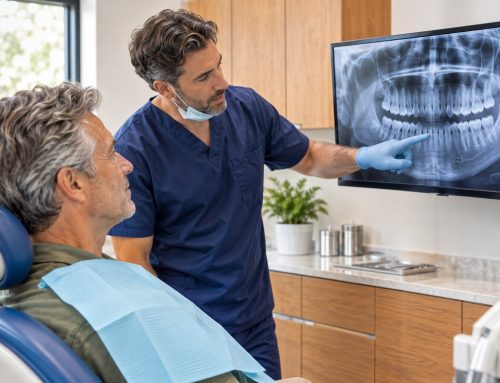
Treatment starts with finding the cause. The ADA describes diagnosis as a combination of your health history, a look at your risk factors, and a careful exam, and Better Health stresses that once erosion is found, the cause needs to be identified and changed. Cleveland Clinic explains that a dentist checks for wear, texture changes, and pitting during a routine exam and may take dental X-rays to see how far the damage goes.
From there, Cleveland Clinic says treatment depends on how advanced the erosion is:
- Fluoride for early erosion. Topical fluoride is the most common treatment for early-stage erosion. It strengthens enamel and helps stop erosion from getting worse, though it cannot reverse it. The ADA adds that several studies suggest fluoride treatments help protect enamel from erosion, although results vary by product and more research is needed.
- Dental bonding. Colgate explains that bonding uses a tooth-colored resin to protect a weakened area. Cleveland Clinic notes that bonded areas typically need touch-ups every five to seven years. Our article on dental bonding explains the process.
- Veneers. Colgate notes that a dentist may suggest veneers when only the front surfaces of the teeth are damaged. At South Tulsa Dental, porcelain veneers are thin, custom-made coverings for chipped or discolored teeth, and they can change a smile in a matter of weeks. Cleveland Clinic notes that veneers are not reversible. Our guide to the veneer process covers what to expect.
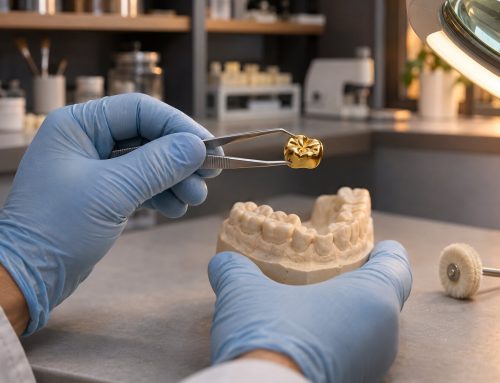
- Crowns. When a tooth is badly worn or weakened, a crown covers it completely and protects it from further damage. We offer crowns in ceramic, which can be done in one visit, and in gold, which takes two visits. Our guide to dental crowns covers what to expect.
- Fillings and more involved care. Better Health explains that lost tooth surface may need to be replaced with fillings or crowns, and that advanced erosion can require complex, lengthy treatment that may include fillings, veneers, crowns, and sometimes root canal treatment.
Dr. Tricinella and our staff can walk you through the pros and cons of each option for your teeth. If worn enamel has left your smile looking uneven or discolored, our cosmetic dentistry page describes treatments for discoloration, stains, chips, and cracks.
A note on whitening: Cleveland Clinic explains that as enamel thins, more of the yellowish dentin underneath shows, and that professional whitening works best on surface stains, though some products can lighten deeper stains too. Before you buy whitening products for teeth that look yellow from worn enamel, ask us about our teeth whitening options so we can check what is causing the color first.
When to See a Dentist About Enamel Erosion
Cleveland Clinic recommends making a dental appointment any time you notice new tooth sensitivity or visible signs of erosion, such as chips, pitting, or discoloration, because early treatment can keep it from getting worse. Mention any reflux, frequent vomiting, dry mouth, or grinding too, since those details help us find the cause.
If you have severe tooth pain, call us. Patients with severe tooth pain are seen the same day, and our emergency dental services page explains what to do.
Enamel Erosion FAQs
Is enamel erosion the same as a cavity?
No. A cavity starts when plaque bacteria produce acid that breaks down the tooth, while enamel erosion is caused by acids that do not come from bacteria, such as soda, juice, or stomach acid. The two are connected, though, because Cleveland Clinic notes that thin, eroded enamel makes teeth more vulnerable to cavities.
Is sparkling water bad for your enamel?
Plain sparkling water is generally fine, according to the ADA’s MouthHealthy site. In a lab study using donated teeth, sparkling water and regular water had about the same effect on enamel. Citrus-flavored sparkling waters often have more acid, so enjoy them with a meal or in one sitting, and remember that sparkling water with added sugar counts as a sugary drink.
Should I brush right after drinking soda or orange juice?
No. The ADA recommends rinsing with water rather than brushing right after acidic drinks. Cleveland Clinic’s tooth erosion page and Better Health suggest waiting at least 30 minutes before brushing, and Cleveland Clinic’s tooth discoloration page suggests about an hour after citrus, soda, or candy, so saliva can neutralize the acid first.
Does teeth whitening damage enamel?
Cleveland Clinic says that when used properly, teeth whitening does not damage enamel, though some products can dry out the teeth. It also warns that some over-the-counter products can damage enamel and suggests avoiding ones with activated charcoal or citric acid. Look for the ADA Seal of Acceptance, and ask your dentist before whitening teeth that are already sensitive or worn.
How fast does enamel erosion happen?
Usually slowly. Cleveland Clinic explains that tooth erosion happens gradually over time and does not happen overnight, which is why it is easy to miss without regular checkups. Treating it at the first sign of trouble can keep it from getting worse.
Protect Your Enamel at South Tulsa Dental
Because enamel cannot grow back, the habits that protect it are worth building now. If your teeth have become more sensitive, look more yellow or see-through at the edges, or you have reflux or grind your teeth, Dr. Tricinella and our team can check your enamel, help you find the cause, and explain your options, from protecting the enamel you have to restorative and cosmetic care.
Book an appointment online or call us at (918) 628-0834. New patients can save time by filling out our new patient forms before the visit. Our office is on East 61st Street, a block west of Sheridan, and we are open Monday through Wednesday from 8:00 to 5:00, Thursday from 12:00 to 7:00, and Friday from 8:00 to 12:00.