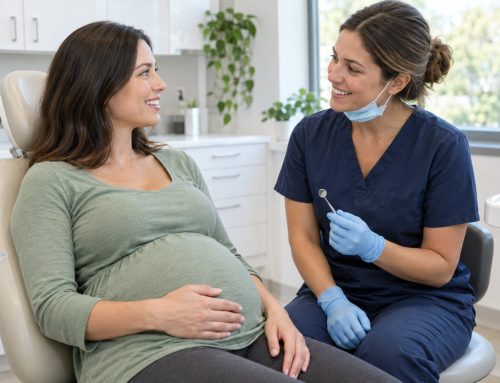

Between prenatal appointments, a growing list of things to prepare, and a body that changes by the week, a dental visit can feel like one more thing to worry about. Maybe you had a filling on the calendar, a tooth that has started to ache, or a cleaning you meant to book right before the pregnancy test came back positive. So, can you go to the dentist while pregnant? Yes. According to the American Dental Association, experts at the ADA, the American College of Obstetricians and Gynecologists (ACOG), and the American Academy of Pediatrics all encourage you to see your dentist while you are expecting. At South Tulsa Dental, Dr. Christopher Tricinella and our team want you to feel confident about your care, so here is a plain-language look at which dental work is safe during pregnancy, what can wait, and how to prepare for your visit.
Can You Go to the Dentist While Pregnant? The Short Answer
Yes, and for most expecting moms it is a smart move. A national consensus statement on oral health care during pregnancy, developed in collaboration with ACOG and the ADA, states that preventive, diagnostic, and restorative dental treatment is safe throughout pregnancy. ACOG’s committee opinion on oral health care during pregnancy adds that studies of dental treatment during pregnancy did not raise any concern about the safety of dental services.
In fact, getting needed dental work while pregnant is usually safer than putting it off. The consensus statement warns that delaying necessary treatment could result in significant risk to you and your baby, and gives the example of a bad tooth infection that spreads through the body. Pregnancy can also raise your risk for cavities and gum disease, and the ADA recommends taking care of cleanings and any needed procedures, such as cavity fillings, before your baby arrives.
Dental Work That Is Safe While Pregnant
Here is how the most common treatments fit into pregnancy.
Cleanings and checkups
Routine exams and cleanings are not just allowed during pregnancy, they are encouraged. Hormone changes leave many expecting moms with swollen gums that bleed easily, and the ADA notes that you may need cleanings more often while you are pregnant. If your gums have been tender, our guide to pregnancy gingivitis explains what is happening and how it is treated, and our article on what to expect at a professional teeth cleaning walks through each step of the visit.
Dental X-rays
According to the ADA, which cites ACOG, dental X-rays are safe during pregnancy. They use very low doses of radiation, and your dental team keeps your exposure down by positioning you carefully and focusing the beam on the area being checked. Dentists take X-rays when they are needed to diagnose a problem, such as a painful tooth or a suspected infection. Our guide to dental X-rays in South Tulsa explains the different types of images and how often they are usually needed.
Fillings and numbing medicine
If you have a cavity, getting it filled during pregnancy is usually the better path, since an untreated cavity can grow into a painful infection. ACOG states that conditions needing prompt treatment, including fillings for untreated cavities, may be managed at any time during pregnancy, and that delaying treatment may result in more complex problems.
For many expecting moms, the numbing shot is the biggest worry. The ADA is reassuring here: the numbing medications used for fillings, root canals, and extractions are safe for both you and your baby. It describes a study that found no difference in rates of miscarriage, birth defects, premature birth, or birth weight between pregnant patients who received anesthetics such as lidocaine during dental procedures and those who did not.
The filling material matters, too. In 2020, the FDA recommended that people who are pregnant, planning a pregnancy, or nursing avoid getting new mercury-containing amalgam (silver) fillings whenever possible and appropriate, and choose alternatives such as composite resin instead. The FDA does not recommend removing existing amalgam fillings that are in good condition. Tooth-colored composite is already our most popular filling option, and our guide to dental fillings in Tulsa compares the materials.
Root canals and extractions
A tooth that is badly decayed, cracked, or infected should not wait nine months. ACOG lists extractions and root canals among the treatments that may be done at any time during pregnancy. Clearing an infection early is far easier than managing one that has spread. If you are facing one of these procedures, our guides to what to expect during a root canal and tooth extraction in Tulsa walk through the process.
Wisdom teeth are a common question, too. An infected or painful wisdom tooth can be treated during pregnancy. If removal would involve IV sedation or general anesthesia, the consensus statement calls for consulting your prenatal care provider first. And if a wisdom tooth is not causing any trouble, ask your dentist whether it makes sense to wait until after your baby arrives. Our article on when wisdom teeth removal is needed explains the warning signs.
What Can Wait Until After Your Baby Arrives
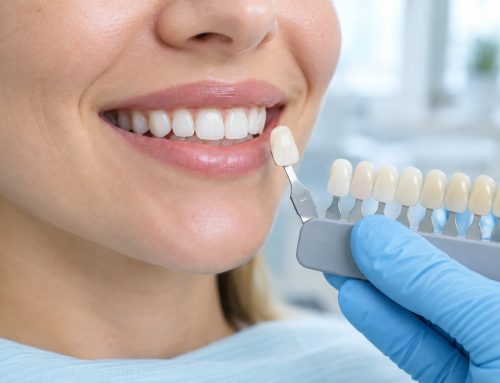
Some treatments are better saved for later, not because pregnancy makes your teeth fragile, but because these treatments are optional. The American Pregnancy Association recommends postponing elective treatments, such as teeth whitening and other cosmetic procedures, until after the birth. That includes Botox, which, as our article on Botox at the dentist notes, is not recommended during pregnancy or breastfeeding. When the time is right, our team will be glad to walk you through professional teeth whitening options.
If your pregnancy is considered high risk, the ADA notes that your dentist or doctor might recommend postponing certain dental treatments, so share that information as early as you can.
Sedation, Laughing Gas, and Medications During Pregnancy
Medications deserve a little extra care while you are expecting. Give your dental team a complete list of everything you take, including prenatal vitamins and supplements. The ADA notes that this helps your dentist and doctor choose any medications you might need, such as antibiotics or pain relievers, that are safe for you and your baby.
- Sedation and laughing gas. The national consensus statement advises avoiding nitrous oxide (laughing gas) during pregnancy and consulting your prenatal care provider before any form of sedation or general anesthesia. If you usually rely on sedation to get through dental visits, talk with us and your OB well before your appointment. Our article on dental anxiety also covers simple comfort measures that help nervous patients relax.
- Pain relievers. Check with your OB, midwife, or pharmacist before taking any pain reliever, including over-the-counter products. The FDA recommends avoiding NSAIDs such as ibuprofen, naproxen, and aspirin at 20 weeks of pregnancy or later unless your health care professional specifically advises them. This does not apply to low-dose aspirin prescribed by your doctor.
- Antibiotics. If a dental infection needs an antibiotic, there are options considered appropriate during pregnancy, such as penicillin, amoxicillin, and clindamycin. Some others should be avoided, and tetracycline should never be used during pregnancy, according to the consensus statement’s medication guide.
- Mouth rinses. The same guide recommends choosing alcohol-free rinses while you are pregnant.
Is There a Best Time for Dental Work During Pregnancy?
There is no week when you have to stay away from the dentist. ACOG and the consensus statement treat dental care as safe throughout pregnancy, and urgent problems should be handled whenever they come up. For planned work, though, comfort is worth thinking about.
- First trimester: Tell your dental team you are pregnant right away, even if you are not 100% sure yet, as the ADA recommends. Morning sickness and a more sensitive gag reflex can make visits harder, so mention it if nausea has been bothering you.
- Second trimester: Many expecting moms find this the most comfortable stretch for planned treatment, and the American Pregnancy Association calls it the ideal time for dental work done during pregnancy.
- Third trimester: Lying back for a long time can become uncomfortable and may leave you dizzy or nauseated. The consensus statement recommends keeping your head higher than your feet, sitting in a semi-reclined position, changing positions often, and placing a small pillow under your right hip or turning slightly to your left. Speak up anytime you need to sit up or take a break.
What to Tell Your Dental Team
A quick conversation at the start of your visit helps us plan care that fits your pregnancy. Be ready to share:
- That you are pregnant, or think you might be
- How far along you are and your due date
- Every medication and supplement you take, including prenatal vitamins
- Whether your pregnancy is considered high risk, plus any instructions from your OB or midwife
- Anything that makes dental visits harder right now, such as nausea, heartburn, or trouble lying back
If it has been more than six months since your last checkup, or you have any dental concerns, the consensus statement recommends scheduling a dental appointment as soon as possible. Our guide to what happens at a dental checkup explains what the visit includes.
Tooth Pain While Pregnant: When Not to Wait
Call us promptly if you notice a toothache that keeps you up at night, swelling in your face or jaw, a bad taste or pus near a tooth, a fever, or a broken tooth. These can be signs of an infection or damage that needs care, and treating them sooner keeps treatment simpler. Our emergency dental services page explains how to reach us when something cannot wait, and our article on common toothache causes and treatment covers why teeth start to hurt. Until you are seen, check with your OB or pharmacist before reaching for an over-the-counter pain reliever.
Dentist While Pregnant FAQs
How many weeks pregnant can you go to the dentist?
You can go to the dentist at any point in pregnancy. Preventive, diagnostic, and restorative dental treatment is considered safe throughout pregnancy. Many people find the second trimester most comfortable for planned work, but urgent problems should be treated whenever they happen.
What can’t you do at the dentist while pregnant?
Elective cosmetic treatments, such as teeth whitening, are usually postponed until after delivery. National guidance also advises avoiding nitrous oxide and new amalgam (silver) fillings when possible, and checking with your prenatal care provider before sedation or general anesthesia.
Can you get a filling while pregnant?
Yes. ACOG says fillings for untreated cavities may be done at any time during pregnancy, and the ADA says the numbing medicine used for fillings is safe for you and your baby. Tooth-colored composite fillings avoid the mercury in amalgam, which the FDA recommends pregnant patients avoid when possible.
Can you get a tooth pulled while pregnant?
Yes, when an extraction is needed. ACOG lists extractions among the treatments that may be managed at any time during pregnancy, and delaying care for an infected or badly damaged tooth can lead to bigger problems. If the extraction would involve sedation or general anesthesia, your dentist and prenatal care provider should talk it through first.
Can you whiten your teeth while pregnant?
It is best to wait. The American Pregnancy Association recommends postponing elective treatments, such as teeth whitening, until after your baby is born. Keeping up with your regular cleanings in the meantime can polish away some surface stains and keep your gums healthy.
Planning Your Dental Care During Pregnancy in Tulsa
You are taking care of so much right now, and your smile deserves a spot on the list. Whether you need a routine cleaning, a filling you have been putting off, or simply answers about what is safe, Dr. Tricinella and our team will take the time to answer your questions honestly and make each visit as comfortable as we can. Once your little one arrives, our pediatric and family dentistry team is here for the whole family, too. We welcome patients from across the Tulsa area at our office on East 61st Street, a block west of Sheridan, and you can explore our full range of dental services anytime.
Ready to schedule? Book your appointment online or call us at (918) 628-0834, and let us know you are expecting when you book.